Neighborhoods for All: A Global Peer Learning on Safer Cities
Tags:
Year:
Research, Event Series
2026
Alignment with UN SDGs:
Mobility & Public Space
Health & Safety
Gender Equality & Social Inclusion


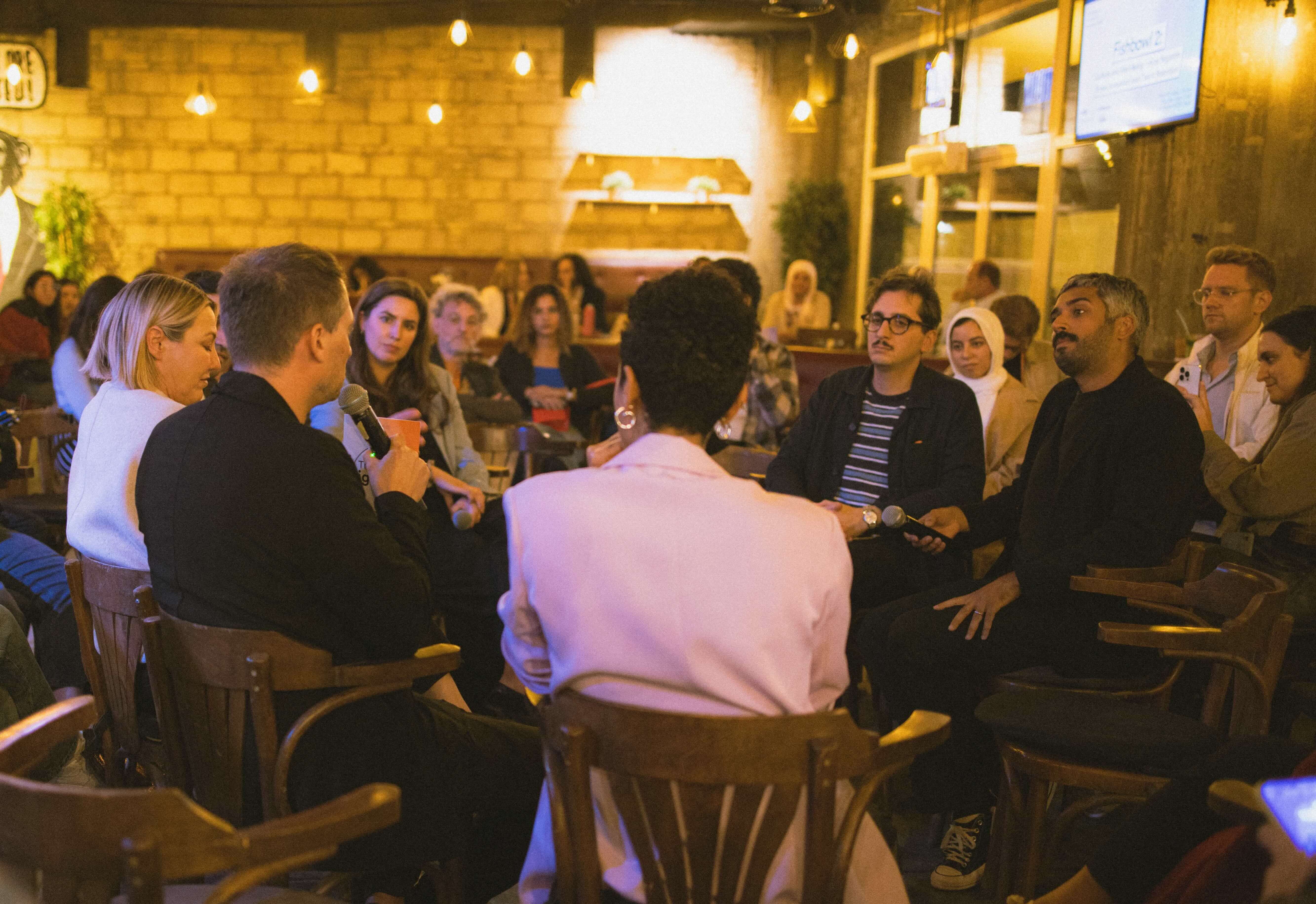
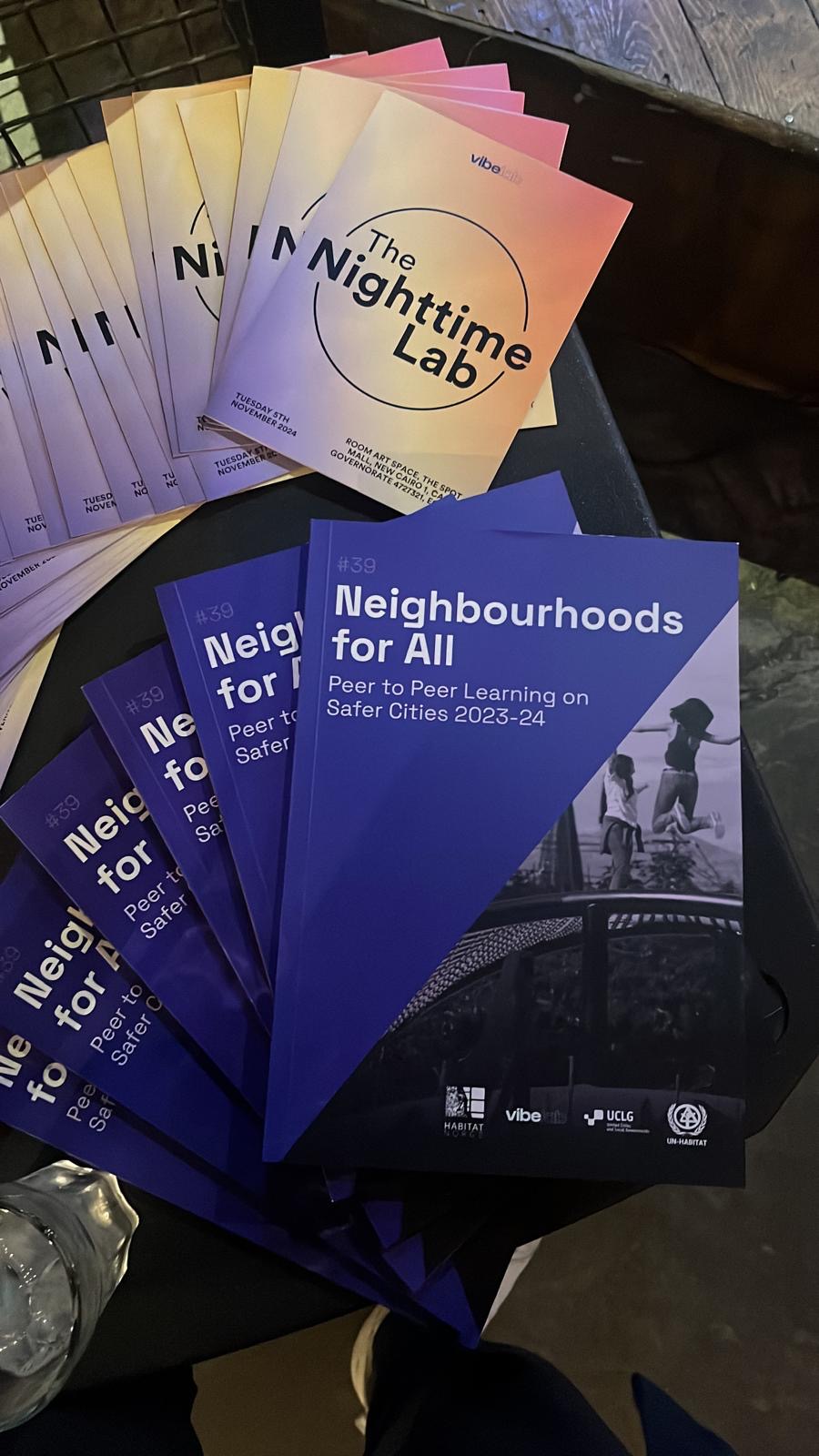
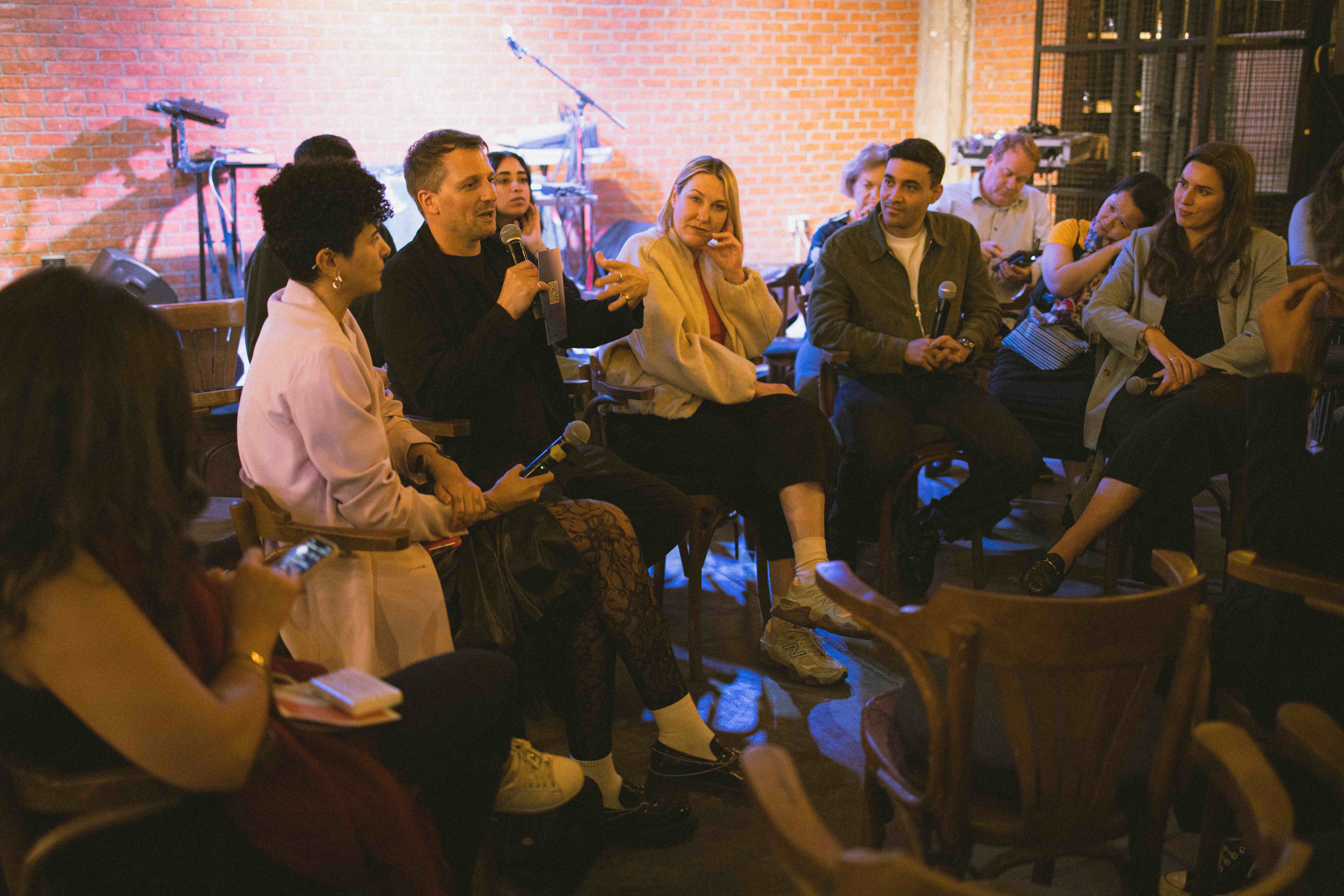
Neighborhoods for All is a collaborative initiative led by UN-Habitat, UCLG, Habitat Norway, and VibeLab to advance inclusive, safe, and accessible urban environments. The project builds on learnings from multiple webinars and a final event at the World Urban Forum, Cairo 2024. Anchored in SDG11 and the UN Guidelines on Safer Cities, the project convenes city leaders, civil society, and practitioners through a series of peer-learning exchanges focused on urban safety, women’s safety, youth engagement, and nighttime governance. It positions safety as a multidimensional issue shaped by social, economic, and cultural factors, rather than solely crime prevention.

At its core, the initiative emphasises multi-stakeholder collaboration and local leadership as critical to building safer cities. By centering the experiences of women, youth, and vulnerable groups, it promotes a co-productive approach that strengthens trust, builds community capacity, and embeds inclusion into urban planning and governance. Knowledge exchange and cultural change are key drivers, enabling cities to adopt more holistic and context-sensitive approaches to safety and wellbeing.

Building on these insights, Neighborhoods for All translates global learning into practical, city-level action. Delivered in partnership with Nighttime Foundation and SafeNow, the pilot focuses on nightlife ecosystems—public spaces, streets, and districts—to enhance both the perception and reality of safety at night. Through data-driven planning, stakeholder collaboration, and scalable tools, the programme aims to develop replicable models for safer, more inclusive, and vibrant neighborhoods worldwide.

Key outcomes
  • Enhance safety perceptions and realities through data-driven planning, stakeholder engagement, and awareness-building.
  • Strengthen collaboration between local authorities, nightlife actors, and communities using tools like SafeNow.
  • Develop scalable models that can be adapted and replicated across cities worldwide.